



ENVIRONMENTAL MANAGEMENT
Sadara recognizes the profound effects of climate change and the equally profound opportunity to take a leading role in the journey toward decarbonization. We are committed to protecting the environment and are proud of our contributions to global actions aimed at mitigating climate change. Sadara sets organizational strategies that align with its targets and Saudi national ambitions, with a focus on decarbonization, energy efficiency, and the circular economy. Sadara’s Resources Optimization Committee facilitates the monitoring and optimization of the four footprint elements at Sadara:
Sadara recognizes the profound effects of climate change and the equally profound opportunity to take a leading role in the journey toward decarbonization. We are committed to protecting the environment and are proud of our contributions to global actions aimed at mitigating climate change. Sadara sets organizational strategies that align with its targets and Saudi national ambitions, with a focus on decarbonization, energy efficiency, and the circular economy. Sadara’s Resources Optimization Committee facilitates the monitoring and optimization of the four footprint elements at Sadara:
Sadara recognizes the profound effects of climate change and the equally profound opportunity to take a leading role in the journey toward decarbonization. We are committed to protecting the environment and are proud of our contributions to global actions aimed at mitigating climate change. Sadara sets organizational strategies that align with its targets and Saudi national ambitions, with a focus on decarbonization, energy efficiency, and the circular economy. Sadara’s Resources Optimization Committee facilitates the monitoring and optimization of the four footprint elements at Sadara:
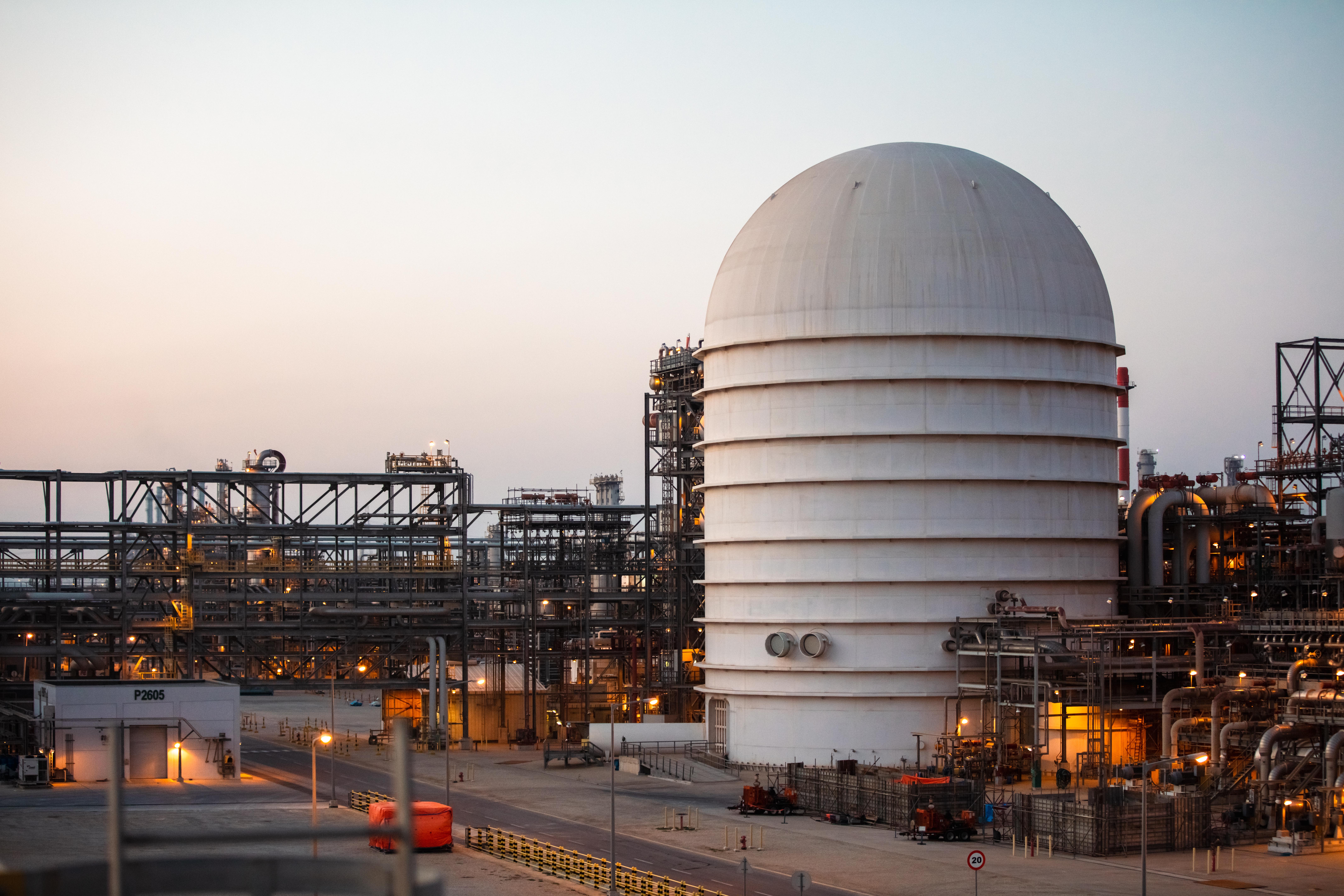
Sadara has an energy policy that applies across all areas of the company where energy is utilized. Sadara strives to enhance energy efficiency, and in turn, contribute to environmental protection, mitigate the impact of climate change, comply with regulatory requirements, and continually improve energy performance and the energy management system. As an ISO 50001:2018 Energy Management System (EnMS) certified company, Sadara’s technical and operational experts have achieved a significant reduction in energy consumption over the recent past years.

Sadara recognizes the profound effects of climate change and the equally profound opportunity to take a leading role in the journey toward decarbonization. We are committed to protecting the environment and are proud of our contributions to global actions aimed at mitigating climate change. Sadara sets organizational strategies that align with its targets and Saudi national ambitions, with a focus on decarbonization, energy efficiency, and the circular economy. Sadara’s Resources Optimization Committee facilitates the monitoring and optimization of the four footprint elements at Sadara:
Sadara is advancing its commitment to net‑zero by implementing a comprehensive decarbonization strategy aimed at significantly reducing greenhouse gas emissions by 2035 and achieving net‑zero emissions by 2050. The company applies a standardized GHG calculation and reporting framework through its Footprint Protocol to ensure accuracy and consistency. Sadara also collaborates closely with national initiatives and regulatory bodies — including the Circular Carbon Economy program, the Ministry of Energy’s Energy Information Center (EIC), and the Royal Commission for Jubail and Yanbu (RCJY) and aligns its reporting with International Finance Corporation (IFC) standards.
Sadara recognizes the profound effects of climate change and the equally profound opportunity to take a leading role in the journey toward decarbonization. We are committed to protecting the environment and are proud of our contributions to global actions aimed at mitigating climate change. Sadara sets organizational strategies that align with its targets and Saudi national ambitions, with a focus on decarbonization, energy efficiency, and the circular economy. Sadara’s Resources Optimization Committee facilitates the monitoring and optimization of the four footprint elements at Sadara:
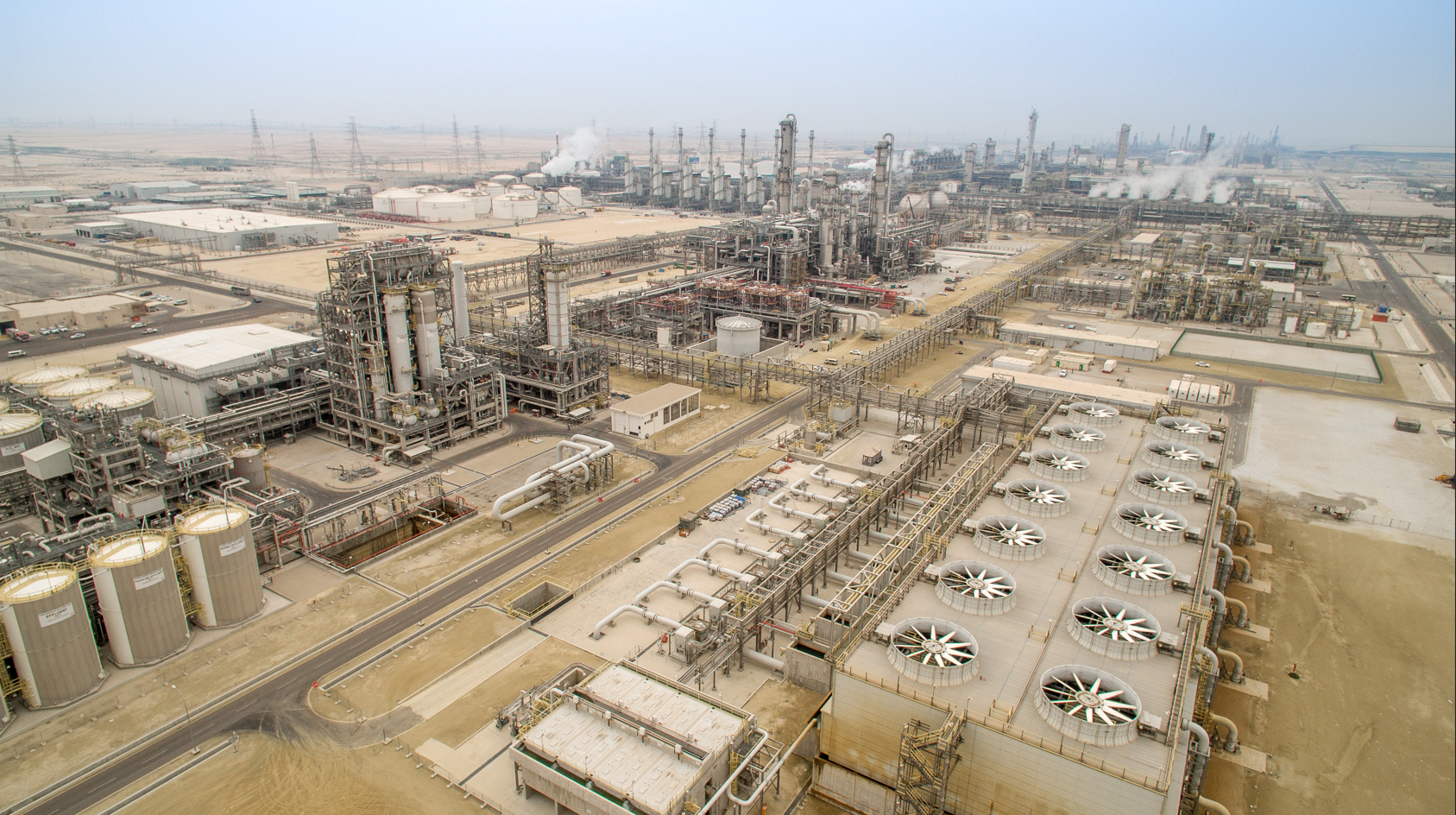
Sadara recognizes that water is one of the most vital natural resources on the planet. In Saudi Arabia, there are only two significant sources of water: groundwater and water from desalination plants. Groundwater is limited and procuring water from desalination plants is expensive and energy intensive. With these factors in mind, Sadara makes water consumption a key performance indicator (KPI) that is continuously monitored and challenged for reduction. We strive to conserve water through a series of initiatives across the plant site, including the optimization of water-cooling tower operations and the recycling of for further use, and reducing the reliance on new water supplies.
Sadara recognizes the profound effects of climate change and the equally profound opportunity to take a leading role in the journey toward decarbonization. We are committed to protecting the environment and are proud of our contributions to global actions aimed at mitigating climate change. Sadara sets organizational strategies that align with its targets and Saudi national ambitions, with a focus on decarbonization, energy efficiency, and the circular economy. Sadara’s Resources Optimization Committee facilitates the monitoring and optimization of the four footprint elements at Sadara:
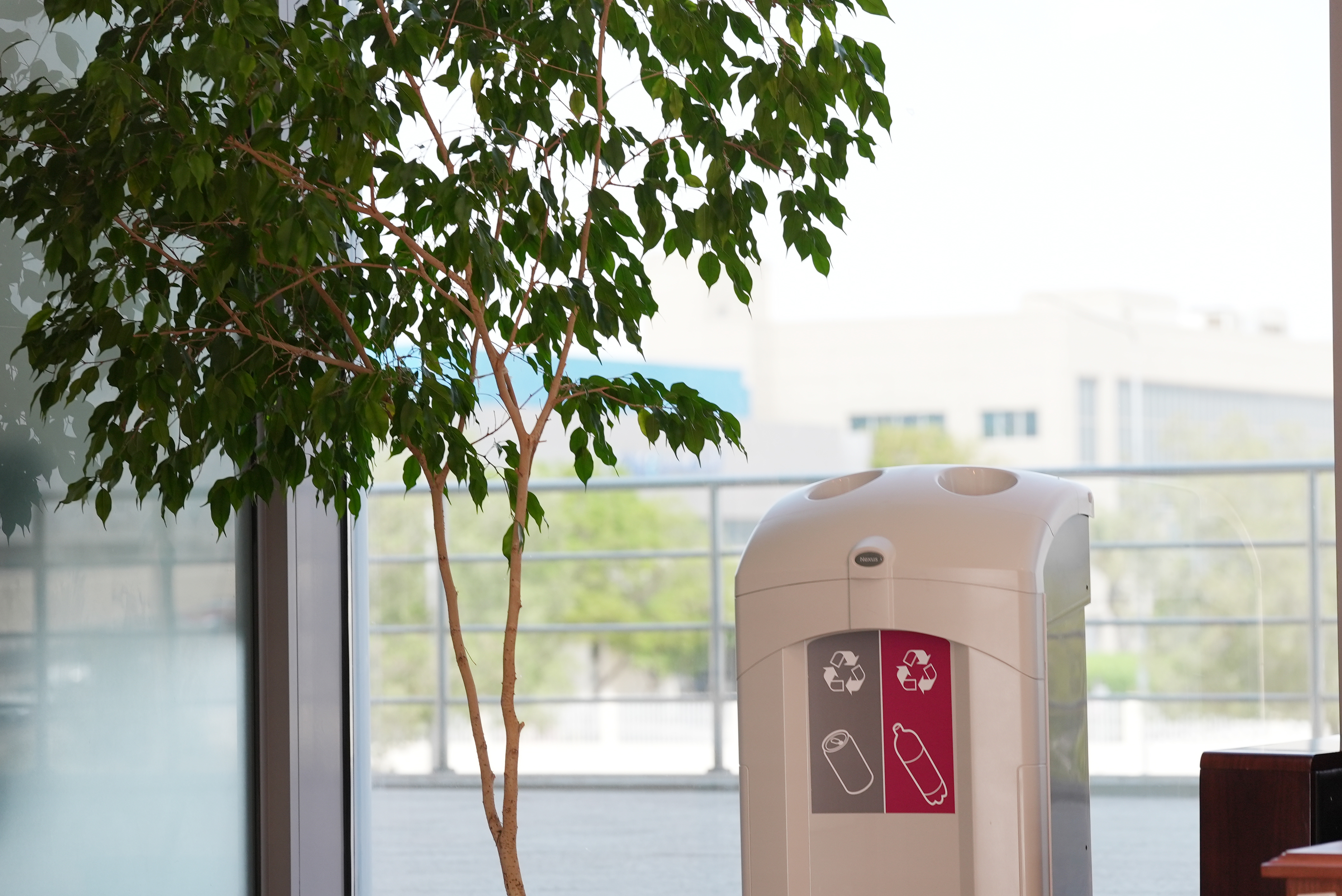
Material Effectiveness primarily accounts for material losses in manufacturing plants. Sadara is committed to applying the best material effectiveness management practices and continuously complying with relevant regulatory environmental requirements. Sadara implements a Waste Management Program that uses cutting-edge technologies to reduce waste effectively. We conduct routine audit programs on third-party waste/recycling management facilities, ensuring compliance with all applicable legal requirements identifying opportunities for improvement and sharing best practices.
Optimizing Energy Efficiency
Enhanced Environmental Focus
Circular economy
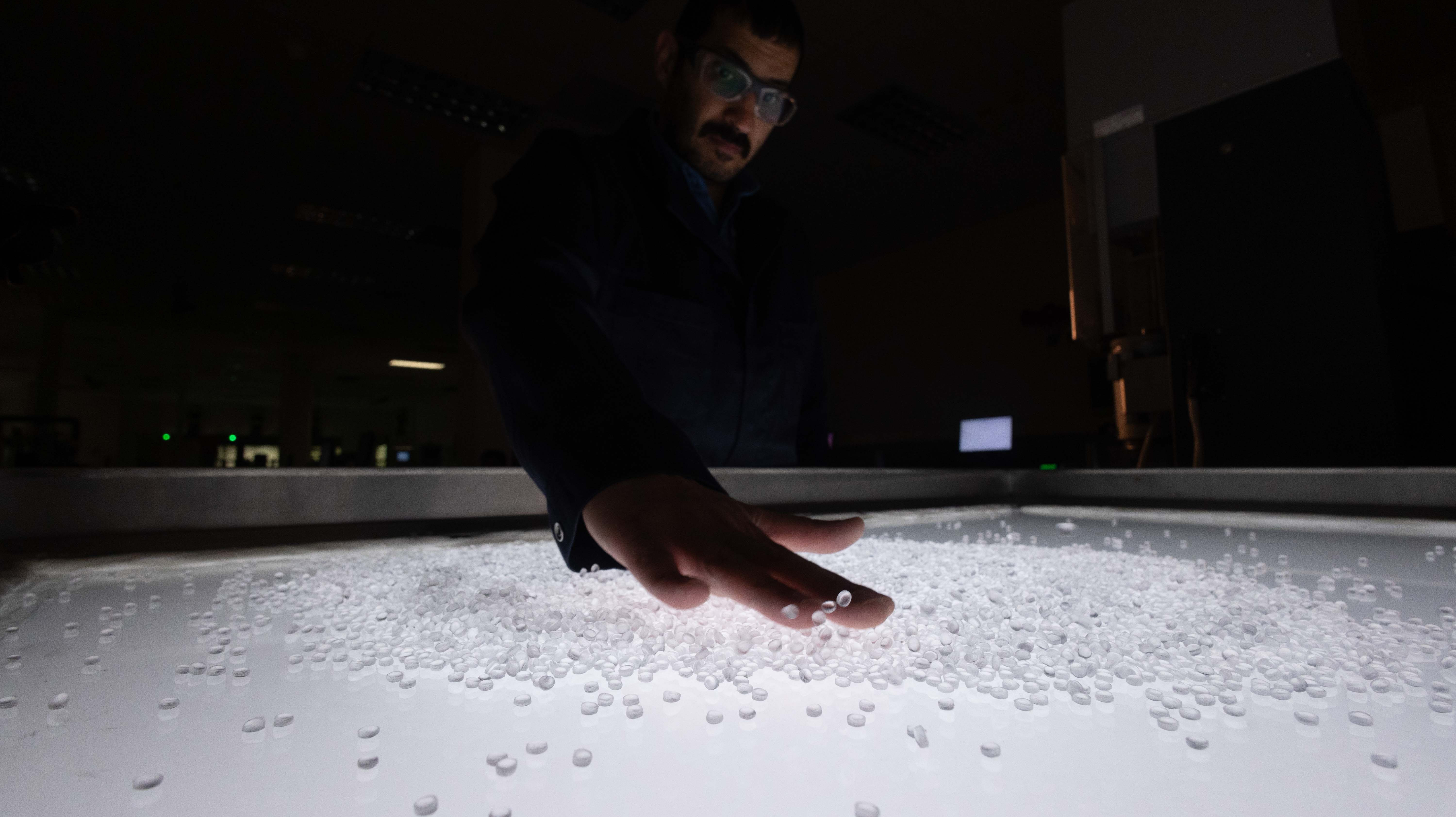
The Circular Economy (CE) has become a strategic and central business objective for many industries, with its potential to unlock sustainable growth and generate significant economic gains across the industrial value chain.
Sadara conducted an overview of CE adoption, reviewing case studies, emerging business models, and ongoing projects. The company will continue to develop goals and programs that reflect its responsibility to close waste loops while preserving the Kingdom’s natural resources and protecting the environment.
0%